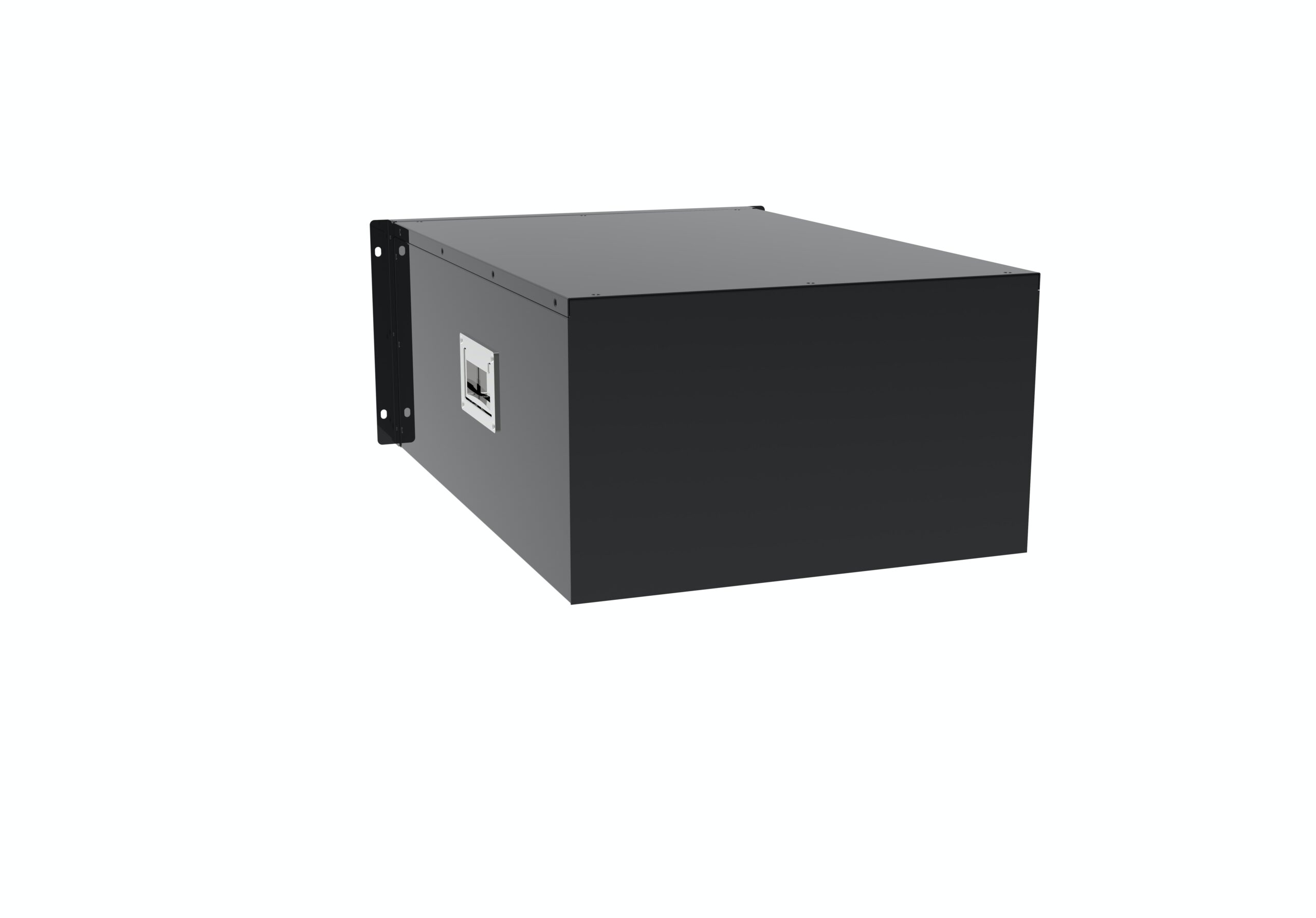
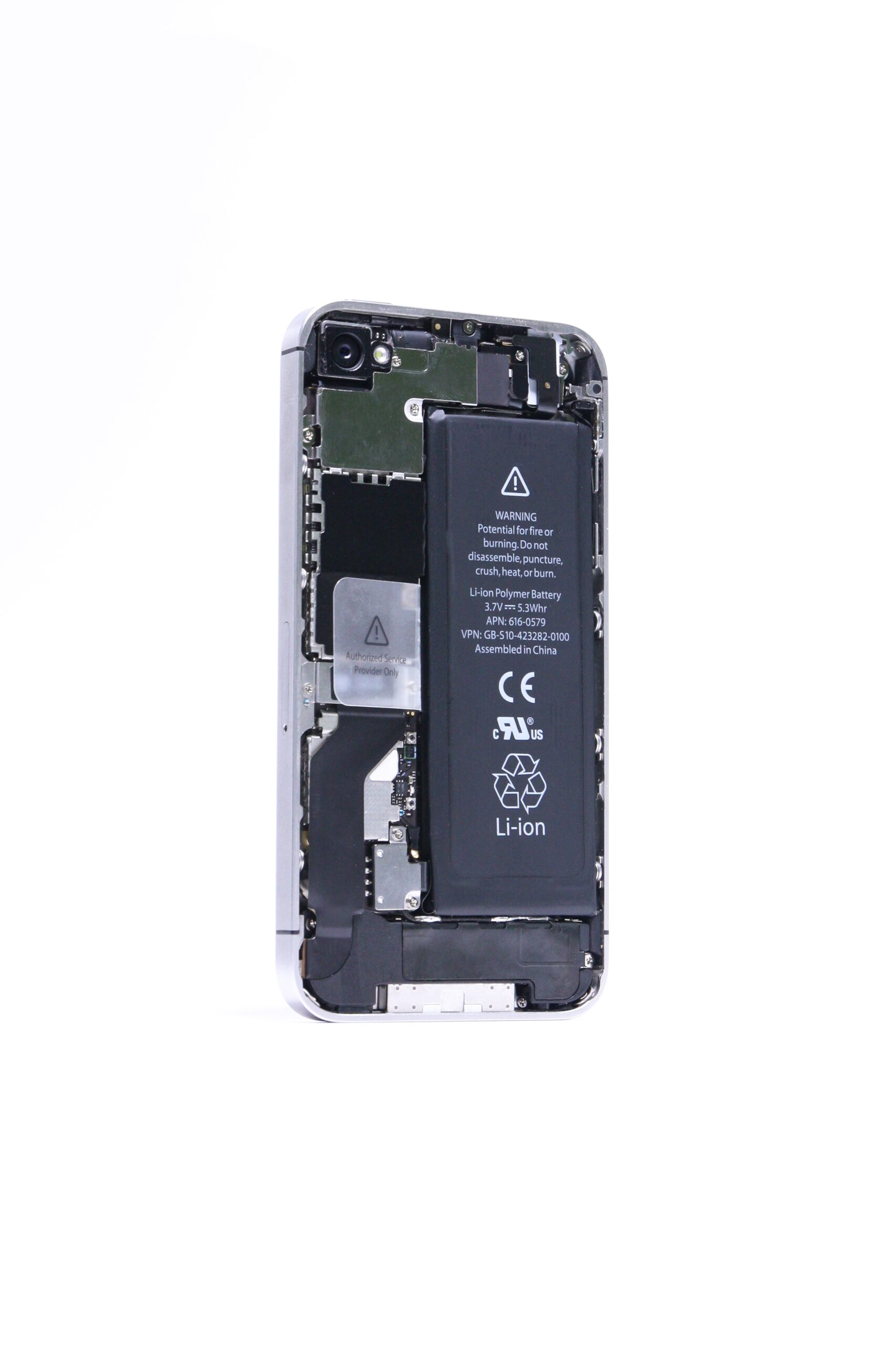
Batteries are the powerhouse behind our portable devices, from smartphones to electric cars. Two popular types, Lithium-ion (Li-ion) and Lithium Iron Phosphate (LiFePO4) offer unique advantages and trade-offs. In this blog post, we'll break down the key differences between these battery technologies in a way that's easy to understand.
Chemistry Basics
- Lithium-ion (Li-ion): These batteries use lithium cobalt oxide (LiCoO2) or other variations like lithium manganese oxide (LiMn2O4) as cathodes. They are known for their high energy density and are widely used in smartphones, laptops, and electric vehicles.
- Lithium Iron Phosphate (LiFePO4): LiFePO4 batteries, as the name suggests, use iron phosphate as the cathode material. They are recognized for their stability, safety, and longevity.
Further Reading: Understanding Lithium-ion Batteries
Energy Density
- Li-ion: These batteries are like marathon runners, packing a lot of energy in a small, lightweight package. This makes them ideal for applications where size and weight are critical, like smartphones and laptops.
- LiFePO4: While LiFePO4 batteries have a lower energy density compared to Li-ion, they are like long-distance runners. They provide a steady and reliable source of power over a long er period, making them suitable for applications like solar energy storage and electric vehicles.
Safety
- Li-ion: They have a higher risk of thermal runaway, especially when damaged or overcharged. This can lead to a fire hazard.
- LiFePO4: Known for their excellent thermal stability, LiFePO4 batteries are much safer and less prone to thermal runaway. They can withstand higher temperatures and are less likely to catch fire even under extreme conditions.
Further Reading: Battery Safety: Lithium-ion vs. Lithium Iron Phosphate
Cycle Life
- Li-ion: These batteries tend to have a higher self-discharge rate and a limited number of charge-discharge cycles before their capacity starts to degrade.
- LiFePO4: LiFePO4 batteries are the marathon champions in terms of cycle life. They can endure a significantly higher number of charge-discharge cycles before showing signs of capacity loss.
Further Reading: Understanding Battery Life Cycles
Cost
- Li-ion: These batteries are more cost-effective in terms of upfront expenses, making them a popular choice for consumer electronics.
- LiFePO4: Initially, LiFePO4 batteries may have a higher upfront cost. However, when considering their long lifespan and lower replacement frequency, they can be more cost-effective in the long run.
Further Reading: Calculating the Total Cost of Ownership for Batteries
Conclusion
In summary, the choice between Lithium-ion and lithium-iron phosphate batteries depends on the specific requirements of the application. If high energy density and portability are crucial, Li-ion batteries are the go-to option. On the other hand, if safety, longevity, and reliability are top priorities, LiFePO4 batteries are the better choice. Understanding these differences empowers users to make informed decisions when selecting the right battery for their needs.